
A. Introduction to EMDR
EMDR (Eye Movement Desensitization and Reprocessing) is a form of psychotherapy that helps people heal from the symptoms and emotional distress caused by traumatic or disturbing life experiences.
B. How EMDR works

During EMDR therapy, the patient focuses on a traumatic memory while simultaneously experiencing bilateral stimulation, usually through eye movements. This bilateral stimulation reduces the intensity of the trauma memory and the strong negative emotions associated with it.
C. Who can benefit

EMDR therapy helps adults and children of all ages with a wide range of challenges, including:
- PTSD (post-traumatic stress disorder) and other trauma
- Stress-related issues
- Grief and loss
- Anxiety, panic attacks, phobias, performance anxiety, etc.
- Living with chronic illness, pain and other medical issues (e.g. tinnitus)
- Depression, bipolar and dissociative disorders
- …and more
D. History of EMDR
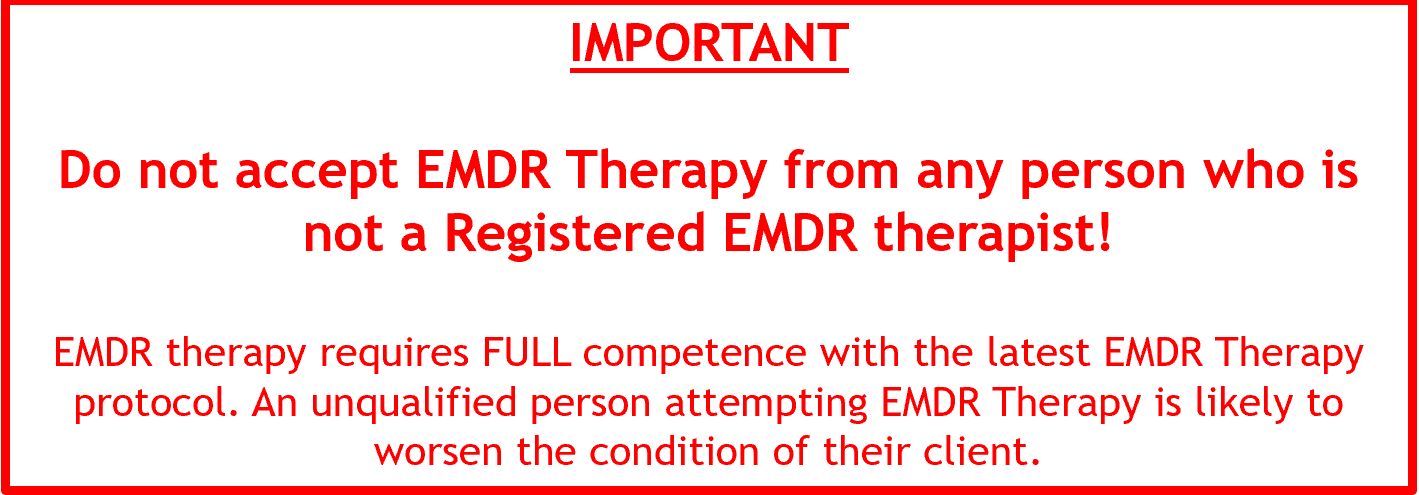
EMDR was developed in the late 1980s by American clinical psychologist Dr. Francine Shapiro. It has been extensively tested in numerous controlled studies with trauma patients and has been shown to be highly effective when delivered by trained EMDR therapists who adhere to the current standard protocol.
E. Scientific recognition
EMDR therapy is extensively researched and scientifically proven effective for trauma, PTSD, anxiety, depression, OCD, chronic pain, addiction, and other distressing life experiences. Its effectiveness is recognised by major international and national health organisations, including the World Health Organization (WHO), the US Department of Veterans Affairs and Department of Defense, the UK National Institute for Health and Care Excellence (NICE), the American Psychiatric Association, the American Psychological Association, and the International Society for Traumatic Stress Studies.